%20-%20Tint%20100.png?width=110&height=58&name=Logo%20-%20Standard%20-%20Blue%20(1080%20x%20597)%20-%20Tint%20100.png)
Original research and conversations with experienced founders and executives navigating biomedical commercialization.
Report
Patient Monitoring Devices: Why Most Monitoring Devices Fail on Execution, Not Innovation
How integrating design, manufacturing, and launch from the start gets devices to market faster and at lower cost.
Executive Summary
The patient monitoring device segment represents the fastest-growing opportunity in the $40 billion wearable medical device market, expanding at 17% annually to reach $15 billion globally. This growth reflects a fundamental transformation in healthcare delivery, as health systems shift from episodic care to continuous patient monitoring that enables earlier intervention, reduces hospital readmissions, and supports home-based treatment.
But this opportunity comes with intense competition and unforgiving technical requirements. Patient monitoring devices must integrate multiple sensors, wireless communication, and sophisticated power management into comfortable form factors that patients will wear for extended periods. They must deliver clinical-grade accuracy in real-world environments while meeting price points that healthcare systems and patients can pay.
Most companies attempting to enter this market fail, not from lack of innovation but from fragmented execution. The path to success requires integrated excellence across three interconnected disciplines:
Design excellence that balances user needs with manufacturing feasibility and market requirements from the earliest concept phases through validation and regulatory approval.
Manufacturing excellence that scales from prototype to commercial production while maintaining medical device quality standards at consumer electronics cost structures.
Launch excellence that builds market adoption through clinical evidence, strategic positioning, and systematic healthcare system implementation.
Companies treating these as sequential phases typically struggle with cost overruns, timeline delays, and market adoption challenges. Biomedical innovators can achieve faster time-to-market and lower costs through early integration of design, manufacturing, and commercial launch considerations.
This report explores the patient monitoring device market and the specific requirements for patient monitoring device success, examining how design decisions impact manufacturing feasibility, how manufacturing capabilities enable design innovations, and how launch strategies can inform development priorities.
Market Transformation
Patient monitoring devices solve a fundamental healthcare challenge: providing continuous visibility into patient status outside clinical settings. Traditional care models rely on periodic assessments, e.g., office visits, scheduled vitals checks, lab tests at intervals. This approach captures snapshots in time but misses the continuous physiological changes that often signal emerging problems.
The COVID-19 pandemic accelerated patient monitoring device adoption dramatically. Healthcare systems suddenly needed ways to remotely monitor COVID patients, post-surgical patients discharged early to preserve hospital capacity, and chronic disease patients whose routine care was disrupted. What emerged from that crisis was recognition that continuous patient monitoring provides value far beyond emergency situations. And combined with the aging population and the rise of chronic diseases, the result is a permanent change in how healthcare providers, patients, and payers think about monitoring technology.
The Clinical and Economic Imperative
Healthcare systems increasingly recognize that reactive care is both expensive and suboptimal. By the time problems become apparent, interventions are often expensive and sometimes too late to prevent serious complications. Patient monitoring devices enable proactive intervention, such as detecting deteriorating heart failure before acute decompensation requires hospitalization, identifying post-surgical infections before they become septic, and catching cardiac arrhythmias that might otherwise cause strokes.
These modern systems can continuously track multiple vital signs such as heart rhythm, temperature, activity levels, and increasingly sophisticated biomarkers, giving healthcare providers real-time insights into patient status. When concerning trends emerge from the data, clinicians can begin interventions immediately.
Each prevented hospitalization saves $10,000-30,000 in direct costs while avoiding the productivity losses and quality of life impacts that hospital admissions can create. And hospital-at-home programs using continuous monitoring show 30-40% cost savings compared to traditional inpatient care while maintaining or improving patient outcomes and satisfaction. Across multiple applications, patient monitoring devices solve real clinical problems that healthcare systems face every day.
Market Applications
Patient monitoring devices serve diverse healthcare applications, each with specific technical requirements.
Chronic disease management includes patients with heart failure, diabetes, COPD, and other chronic conditions benefit from monitoring that detects deterioration before emergency intervention becomes necessary. Early detection of concerning trends triggers clinical outreach that prevents costly hospital admissions. The key to success in patient monitoring devices for chronic disease management is to satisfy user needs and clinical performance simultaneously. Common issues include 14-day wear reliability while maintaining accuracy and patient comfort.
Continuous glucose monitoring (CGM) is an established market segment within patient monitoring devices, valued at $8 billion globally with steady 18% annual growth. Manufacturing excellence becomes the primary competitive differentiator in CGM once basic clinical requirements are met. Those that struggle with manufacturing consistency often face costly recalls and customer defection.
The cardiac monitoring market, valued at $3 billion globally with 12% growth, serves specialized clinical cardiology applications, including the detection of arrhythmias, atrial fibrillation, and myocardial ischemia, where accuracy and reliability are paramount. This segment benefits from strong clinical evidence requirements and clear reimbursement pathways that support market adoption.
Post-surgical monitoring is used by hospital systems to discharge patients earlier while maintaining safety oversight. A surgery patient might go home days sooner if the hospital can continuously monitor the patient’s vital signs, such as heart rhythm, activity levels, and temperature.
Remote patient monitoring programs enable hospital-at-home programs which depend on monitoring technology that provides clinical teams confidence in patient safety outside hospital settings. These programs treat conditions that traditionally required hospitalization, e.g., pneumonia, heart failure exacerbations, post-surgical recovery, in patients' homes with continuous monitoring.
Maternal health monitoring for high-risk pregnancy enables earlier detection of conditions like preeclampsia while reducing clinic visit frequency. Continuous monitoring of maternal vital signs and fetal heart rate provides reassurance while enabling immediate intervention when problems emerge.
The Competitive Landscape
The patient monitoring market includes both established medical device companies and numerous startups:
- VitalConnect achieved strong hospital penetration focusing on post-surgical monitoring
- BioIntelliSense targets chronic disease management with extended 30-day wear duration
- Current Health (acquired by Best Buy Health) emphasizes complete remote monitoring platforms
- Many startups pursuing specific niches, such as post-COVID monitoring, fall detection, athletic performance
Successful companies recognize that patient monitoring devices aren't just technical products; they're integrated systems requiring excellence across design, manufacturing, and commercialization executed in coordination rather than sequentially.
Design Excellence
Great design in patient monitoring devices means more than elegant industrial design or refined engineering. It means creating products that patients are willing and able to wear, that healthcare providers trust to guide clinical decisions, and that can be manufactured at costs enabling market-appropriate pricing.
Miniaturization Without Compromising Performance
The first design challenge is fitting everything into a form factor patients are willing to wear continuously. Early monitoring devices were large and conspicuous. Patients complained that they were embarrassing and uncomfortable to wear. Market feedback consistently shows that device size significantly impacts patient compliance.
But miniaturization creates cascading technical challenges:
Sensor integration density: Multiple sensors competing for limited space must be positioned to avoid interference. ECG electrodes require specific spacing for accurate cardiac signal detection. Temperature sensors need isolation from battery heat. And all these components must be arranged to optimize both performance and manufacturability.
Power management: Smaller form factors mean smaller batteries, but monitoring requirements demand extended operation: typically 7-14 days of continuous sensing and periodic data transmission. This requires high-end power management that balances sensor operation frequency, data transmission timing, and processing distribution between device and mobile applications.
Thermal management: Electronics generate heat, but temperature sensors must read body temperature, not device temperature. Designers must create thermal isolation between electronics and sensors while ensuring the device doesn't create patient discomfort from heat buildup.
Mechanical reliability: Smaller components are inherently more fragile. Design must protect sensitive electronics from mechanical stresses of daily patient activity, such as bending, compression, and impact during normal movement. This typically requires multi-layer constructions combining flexibility for comfort with structural protection for electronics.
Adhesive Systems for Extended Wear
Patient monitoring devices typically require 7-14 day wear duration, making adhesive performance critical to market success. But adhesive selection requires balancing secure attachment, patient comfort, and manufacturing feasibility.
Wear duration requirements: Different monitoring applications demand different wear times. For example, post-surgical monitoring might need only five to seven days, but chronic disease management benefits from 14-day wear to reduce device change frequency and cost. Wear duration drives adhesive chemistry selection, with longer wear typically requiring gentler silicone-based adhesives rather than stronger but more irritating acrylic adhesives.
Activity level considerations: Patient activity dramatically affects adhesive requirements. Sedentary patients recovering from surgery create minimal adhesive stress. Active patients managing chronic conditions while working and exercising challenge adhesive systems with moisture from sweating, mechanical stress from movement. In addition, bathing and showering creates environmental exposure that can affect adhesives.
Skin sensitivity variations: Patient populations show wide variation in skin sensitivity. Elderly patients have more fragile skin requiring ultra-gentle removal; pediatric patients also have sensitive skin. And some patients use topical medications that affect adhesive performance.
The design challenge is creating adhesive systems that maintain secure attachment throughout intended wear while being gentle enough to prevent skin trauma during removal. This typically requires multi-zone adhesive designs, with stronger adhesion in areas of higher stress and gentler adhesion where the device contacts sensitive skin areas.
Critically, adhesive design must take manufacturing into account from the start. Precision coating systems can apply different adhesive thicknesses in different zones, but this capability must be designed into the device rather than expected as a retrofit. Adhesive materials must have qualified medical-grade suppliers capable of supporting commercial volumes with consistent lot-to-lot performance.
User Interface and Data Management
Patient monitoring devices generate continuous data streams, but data alone doesn't create value. It must be presented in ways that support decision-making by patients, caregivers, and healthcare providers.
Patient-facing interfaces: Patients and caregivers need sufficient information to understand patient status without overwhelming them with clinical detail they can't interpret. For example, data from a cardiac monitoring patch might display current heart rate and rhythm status in simple terms: "Normal," "Irregular rhythm detected," "Contact your doctor," rather than displaying raw ECG traces.
The challenge is providing enough information to support appropriate patient action without creating anxiety from data results that patients don't understand. Alert systems must distinguish urgent situations requiring immediate action from concerning trends that warrant clinical follow-up.
Provider-facing interfaces: Healthcare providers need different levels of information than patients. For example, cardiologists want to review actual ECG traces, see detailed rhythm analysis, and understand data quality metrics. But they don't want to wade through days of normal data to find clinically relevant events. The provider interface must surface these events.
Also, provider interfaces must integrate into existing clinical workflows rather than creating separate systems requiring parallel documentation. Monitoring data should flow into electronic health records, support clinical decision-making, and document care in formats that satisfy billing and compliance requirements.
Alert management: Perhaps the most critical interface challenge is alert systems that reliably identify clinical concerns without generating false alarms which cause alert fatigue. Too many false alarms and both patients and clinical staff may ignore alerts. But the device must alert accurately to avoid missing genuine problems.
Advanced alert algorithms distinguish true clinical events from artifacts by considering patient history, incorporating context (is the patient exercising or experiencing an arrhythmia?), and learning over time.
Protecting Innovation Through IP Strategy
As designs are refined, systematic documentation of innovations protects competitive advantages and supports fundraising for startups. This includes not just core device technologies but also user interface approaches, algorithm innovations, and manufacturing methods that enable cost advantages.
Patent strategy should focus on what's truly defensible and commercially valuable. Freedom-to-operate analysis ensures designs don't infringe existing patents, which is critical before significant resources are committed. Early IP documentation can also demonstrate innovation depth to potential investors while establishing prior art dates that protect against later competitive filings.
Manufacturing Excellence
Patient monitoring devices require manufacturing precision that simultaneously satisfies medical device quality standards and consumer electronics cost structures. This combination challenges traditional medical device manufacturing approaches while demanding expertise that consumer electronics manufacturers typically lack.
Automated Assembly for Complex Integration
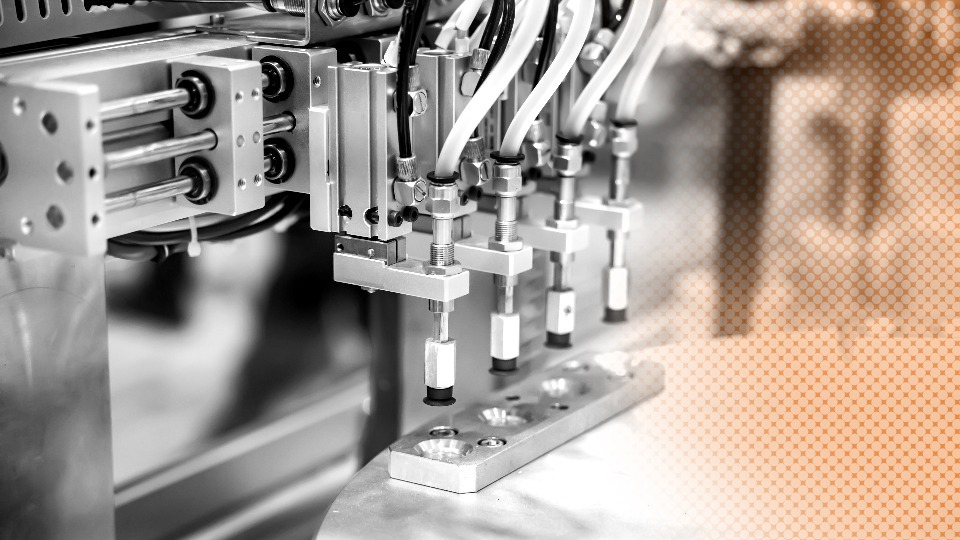
The complexity of patient monitoring devices makes manual assembly economically impractical at commercial volumes. A single device might contain 50+ components: multiple printed circuit boards, sensors, batteries, wireless antennas, electrodes, and connectors, all integrated into thin, flexible construction requiring precise alignment.
Automation enables consistent quality and acceptable unit costs, but automated assembly of flexible medical devices presents unique challenges:
Vision-guided placement: Flexible substrates don't maintain fixed positions like rigid assemblies. Automated placement systems must use machine vision to identify actual component locations and adjust placement in real-time, enabling placement accuracy within ±0.1mm even though substrate position might vary by several millimeters.
Adhesive bonding processes: Many components bond with medical-grade adhesives rather than mechanical fasteners. Automated adhesive application must control thickness, placement accuracy, and cure conditions to ensure reliable bonds. Precision coating systems apply adhesive with ±2% thickness control across the device footprint.
Component integration sequencing: Assembly sequence must be carefully designed to enable automation while ensuring component protection. Temperature-sensitive components must be placed after high-temperature operations like solder reflow. Flex circuits must be folded or formed after component placement but before final encapsulation.
Testing integration: Quality testing should happen at critical assembly stages rather than only at completion. This enables early detection of problems before significant additional value is added.
Design decisions fundamentally impact automation feasibility. When it comes to component selection, developers should consider automated placement requirements. Unusual component geometries might prove impossible to handle with standard equipment. Also, board layouts should position components to enable sequential placement without revisiting areas.
Precision Coating and Lamination
Patient monitoring devices typically use multi-layer constructions combining flexible circuits, sensor arrays, adhesive layers, and protective films. Creating these constructions requires precision coating and lamination processes maintaining alignment and avoiding defects.
Slot-die coating: Medical-grade adhesive application uses slot-die coating systems providing superior thickness control compared to traditional coating methods. These systems maintain ±2% thickness variation across the coating width, critical for adhesive performance consistency. They also enable coating windows that apply adhesive only where needed, reducing material waste.
Multi-layer lamination: Building device structure requires laminating multiple layers with precise alignment; misalignment of even 0.5mm can cause functionality problems. Lamination processes must control temperature (achieving adhesive bonding without damaging temperature-sensitive components), pressure (ensuring complete contact without crushing flexible circuits), and alignment (maintaining registration between layers).
Edge management: Device edges are frequent failure points where delamination begins. Manufacturing processes must create sealed edges to prevent moisture ingress and adhesive separation through edge folding, adhesive overcoats, or other sealing methods.
Sterilization Process Development
Many patient monitoring applications require sterile devices, particularly for post-surgical monitoring or when applied to compromised skin. Sterilization process development and validation ensures effective sterilization without damaging device components.
Ethylene oxide (EtO) sterilization is common for electronics-containing devices but requires process validation demonstrating sterility achievement while confirming that no material degradation occurs. Packaging must maintain sterility until use while enabling aseptic device removal. These requirements affect packaging design, material selection, and manufacturing workflows and must be carefully considered.
Quality Systems for Medical Device Requirements
Patient monitoring devices must satisfy ISO 13485 quality management requirements and FDA quality system regulations, creating manufacturing process requirements beyond typical consumer electronics:
Process validation: Critical manufacturing processes must be validated demonstrating consistent production of devices meeting specifications. This requires Installation Qualification (IQ), Operational Qualification (OQ), and Performance Qualification (PQ).
Traceability: Medical device regulations require complete traceability from raw materials through finished devices. Each component lot must be traceable to biocompatibility testing and certifications. Each device must be traceable to specific manufacturing lots, operators, and equipment used in production.
Documentation: Quality systems require comprehensive documentation of manufacturing processes, inspection procedures, and test results. Design History File (DHF) is a compilation of all records pertaining to product design and development for a medical device. Device Master Records (DMR) specify exactly how devices are manufactured. Device History Records (DHR) document that specific devices were manufactured according to the DMR.
Scale-Up Considerations
The transition from prototype to commercial manufacturing often determines market success or failure. Processes that work well for hundreds of devices often don't scale efficiently to hundreds of thousands annually.
Equipment investment timing: Automated equipment represents significant capital investment, often $2 million or more for fully automated production lines. This doesn’t include the controlled environment, usually an ISO certified clean room, where it is located. Lead times for capital investments are typically 18 months or more and require careful coordination with product development timelines.
Phased approaches for manufacturing equipment can work. Initial commercial production might use semi-automated processes and as volumes grow, incremental automation investments or new automated equipment can be added to support scale up.
Process scale up: Manufacturing processes developed during prototype phases often require modification for commercial scale. For instance, adhesive application methods working at low volumes might not maintain quality at higher speeds, while assembly sequences designed for manual operations need redesign for automation.
Material sourcing and supplier management: Commercial manufacturing requires stable supply chains capable of supporting production volumes. Suppliers qualified during development must be validated for commercial volumes, delivery reliability, and quality consistency. Multiple sources for critical materials reduce supply risk but require additional qualification and ongoing management. Lower volumes often experienced by medical device companies can make these activities difficult.
Launch Excellence
Patient monitoring devices face complex adoption dynamics requiring strategic launch approaches that address multiple stakeholders: patients who wear devices, their caregivers who may need to use them, healthcare providers who prescribe them, hospital administrators who approve purchases, and payers who determine reimbursement.
Clinical Evidence Development
Successful launch depends on clinical evidence demonstrating that continuous monitoring improves patient outcomes and reduces healthcare costs. But evidence requirements vary by clinical application.
Chronic disease management: Long-term monitoring for chronic conditions requires evidence that such continuous data collection leads to better disease management through earlier intervention that prevents acute exacerbations, improves medication adherence through patient engagement, and reduces hospitalization rates.
These studies typically require longer duration than acute monitoring validation, demonstrating value over months rather than weeks, and must show value in real-world settings, not just idealized research environments.
Post-surgical monitoring: Hospital systems considering post-surgical monitoring need evidence showing that earlier discharge doesn't compromise patient safety or increase readmissions. Effective studies compare matched patient groups, some monitored with patches enabling early discharge and others receiving standard care. Outcome measures include readmission rates, complication detection, patient satisfaction, and total care costs.
The challenge is designing studies to satisfy both regulatory requirements and healthcare system adoption criteria. FDA validation might focus primarily on device accuracy and safety, but hospital adoption decisions depend on workflow integration, cost-effectiveness, and patient acceptance. Patient monitoring devices must also address cybersecurity requirements for connected devices.
Health economic analysis: Payers and hospital systems increasingly demand health economic evidence showing return on investment. These analyses must account for device costs, labor costs for clinical staff reviewing data, savings from prevented hospitalizations, and improved patient productivity from better disease management.
Market Positioning and Messaging
Patient monitoring devices compete in crowded markets where differentiation determines success. But meaningful differentiation requires understanding what target customers actually value.
Clinical performance vs. workflow integration: Many monitoring device companies emphasize clinical accuracy and sensor capabilities in marketing messages. But healthcare provider feedback often reveals that workflow integration matters more than incremental accuracy improvements. A slightly less accurate device that seamlessly integrates with existing electronic health records may achieve higher adoption than a technically superior device requiring parallel documentation systems.
Competitive differentiation: Meaningful differentiation requires identifying advantages that target customers value and can verify:
- Extended wear time matters if device changes create problems for patients or cost concerns for providers
- Multi-parameter monitoring creates value if integrated data provides insights that individual parameters don't
- Superior battery life matters if shorter life creates workflow or reliability problems
- Smaller form factors drive adoption if current devices face patient acceptance issues
Commercial Tools and Sales Enablement
Effective commercial launch requires comprehensive tools supporting sales and customer education:
Clinical sales materials: Healthcare providers need evidence-based materials communicating clinical benefits, implementation requirements, and workflow integration. These materials must present complex clinical data in an easily digestible format while maintaining scientific credibility.
Investor presentations: For startups, pitch decks communicating market opportunity, competitive advantages, and business models clearly to potential investors is critical to support fundraising.
Product demonstrations: Visual demonstrations showing device application, data interfaces, and alert systems help healthcare providers understand practical implementation. 3D device animations and instructional videos support both sales and user training.
Implementation guides: Healthcare systems need comprehensive guidance on patient selection criteria, monitoring protocols, alert response procedures, and staff training, addressing not just what the device does but also how to integrate it into care workflows.
Channel Strategy and Healthcare System Implementation
Patient monitoring devices reach end users through various channels, each with different requirements:
Direct hospital sales: Selling directly to hospital systems provides maximum control over messaging and customer relationships but requires substantial investment in sales infrastructure. This approach works best when complex products require consultative selling and decision processes involve multiple stakeholders.
Distribution partnerships: Medical device distributors provide market access without direct sales force overhead but create challenges around brand positioning and margin pressure. Effective distributor relationships require clear territory management, adequate product training, aligned incentives, and marketing support reinforcing brand positioning.
Implementation support: Successful adoption by healthcare systems requires more than product purchase. It requires support for device integration into clinical workflows and care protocols. Implementation support should include clinical protocol development guidance, reimbursement pathway information, healthcare provider and patient training materials, and technical support resources.
Critical Success Factors
Patient monitoring device success requires mastering specific capabilities that distinguish market winners:
Multi-disciplinary integration: Success requires genuine collaboration across engineering disciplines, manufacturing, regulatory, and commercial functions throughout development. This is more than just occasional coordination but continuous integration where decisions are made with input from all relevant perspectives, helping to avoiding rework and regression.
User-centered design: Technology must serve user needs, not just showcase engineering capabilities. A patient monitoring device that works perfectly in laboratory testing but feels uncomfortable during sleep or interferes with normal activities will ultimately fail in the market. Patients must find devices comfortable and unobtrusive, while healthcare providers must receive actionable information without workflow disruption. Uncovering specific needs requires deep understanding through systematic user research.
Captive or outsourced manufacturing: Companies must either build substantial manufacturing capability internally or partner strategically with contract manufacturers that understand medical device requirements. Treating manufacturers as vendors of a commodity service invites quality problems, cost overruns, and timeline delays.
Clinical evidence strategy: Evidence generation must address both regulatory requirements and commercial adoption criteria simultaneously. Patient monitoring devices must demonstrate that continuous data collection leads to better clinical decisions and improved patient outcomes compared to periodic monitoring approaches. This requires clinical studies showing earlier detection of concerning trends, more appropriate interventions, and reduced hospitalization rates or other costly complications. On the other hand, health economic analyses must clearly show a return on investment for healthcare systems considering adoption.
Market access strategy: Success requires systematic approaches to healthcare system adoption, payer reimbursement, and clinical protocol integration. Product sales alone don't ensure adoption; implementation support determines whether purchased devices are actually used.
Integrated Excellence for Market Success
The patient monitoring device market opportunity is substantial and growing. Healthcare's shift toward continuous monitoring, proactive intervention, and home-based care creates demand for sophisticated stick-to-skin devices.
But capturing this opportunity requires integrated excellence across design, manufacturing, and commercialization. Companies treating these as separate sequential phases typically struggle even when they have superior technology. Those mastering integrated development, where developers making design decisions consider manufacturing and market realities, where manufacturing capabilities enable design innovations, and where launch strategy guides development priorities, establish competitive positions difficult to challenge.
The path forward in patient monitoring devices demands both strategic thinking and operational discipline, balancing innovation with practical implementation, technical excellence with commercial viability, and regulatory expertise with true patient engagement. Companies achieving this balance won't just succeed in the patient monitoring device market. They'll help the healthcare system to become more proactive and patient-centric as care is increasingly delivered at home.
References 15
Grand View Research. (2024). Wearable Medical Devices Market Size, Share & Trends Analysis Report 2024–2030. San Francisco, CA: Grand View Research, Inc.
Fortune Business Insights. (2024). Patient Monitoring Devices Market Size, Share & Industry Analysis, 2024–2032. Maharashtra, India: Fortune Business Insights.
Centers for Medicare & Medicaid Services. (2023). Hospital at Home Acute Hospital Care at Home Individual Waiver Only. CMS-1785-R. Baltimore, MD: CMS.
Lewin, A., et al. (2023). Hospital-at-home interventions vs in-hospital stay for patients with chronic disease who present to the emergency department: A systematic review and meta-analysis. JAMA Network Open, 6(3), e2321065.
U.S. Food and Drug Administration. (2023). Digital Health Technologies for Remote Data Acquisition in Clinical Investigations: Guidance for Industry, Investigators, and Other Stakeholders. FDA-2021-D-1128. Silver Spring, MD: FDA.
Abbott Laboratories. (2024). Abbott Annual Report 2023. Abbott Park, IL: Abbott Laboratories.
Dexcom, Inc. (2024). Dexcom Annual Report 2023. San Diego, CA: Dexcom, Inc.
BioIntelliSense, Inc. (2023). BioButton® Multi-Parameter Wearable Device: Clinical White Paper. Boulder, CO: BioIntelliSense.
VitalConnect, Inc. (2023). VitalPatch RTM: Clinical Evidence Summary. San Jose, CA: VitalConnect.
International Organization for Standardization. (2023). ISO 13485:2016 Medical devices — Quality management systems — Requirements for regulatory purposes. Geneva: ISO.
International Organization for Standardization. (2023). ISO 10993-1:2018 Biological evaluation of medical devices — Part 1: Evaluation and testing within a risk management process. Geneva: ISO.
Mordor Intelligence. (2024). Continuous Glucose Monitoring Market — Growth, Trends, COVID-19 Impact, and Forecasts (2024–2029). Hyderabad, India: Mordor Intelligence.
Research and Markets. (2024). Cardiac Monitoring Market: Global Industry Trends, Share, Size, Growth, Opportunity and Forecast 2024–2032. Dublin, Ireland: Research and Markets.
Deloitte. (2023). 2024 Global Health Care Outlook: The Evolution of Smart Health Care. New York, NY: Deloitte Touche Tohmatsu Limited.
McKinsey & Company. (2023). The Future of Healthcare: Value Creation through Next-Generation Business Models. New York, NY: McKinsey Global Institute.
JOIN OUR NEWSLETTER
Get Quarterly Insights Delivered

.webp?width=1921&height=1081&name=Content%20Card%20-%20Just%20Mighty%20-%20Boyd%20-%20Two%20Color%20-%20Full%20(1920%20x%201080).webp)
.png?width=401&height=401&name=Logo%20-%20Just%20Mighty%20-%20White%20Logo%20(400%20x%20400).png)