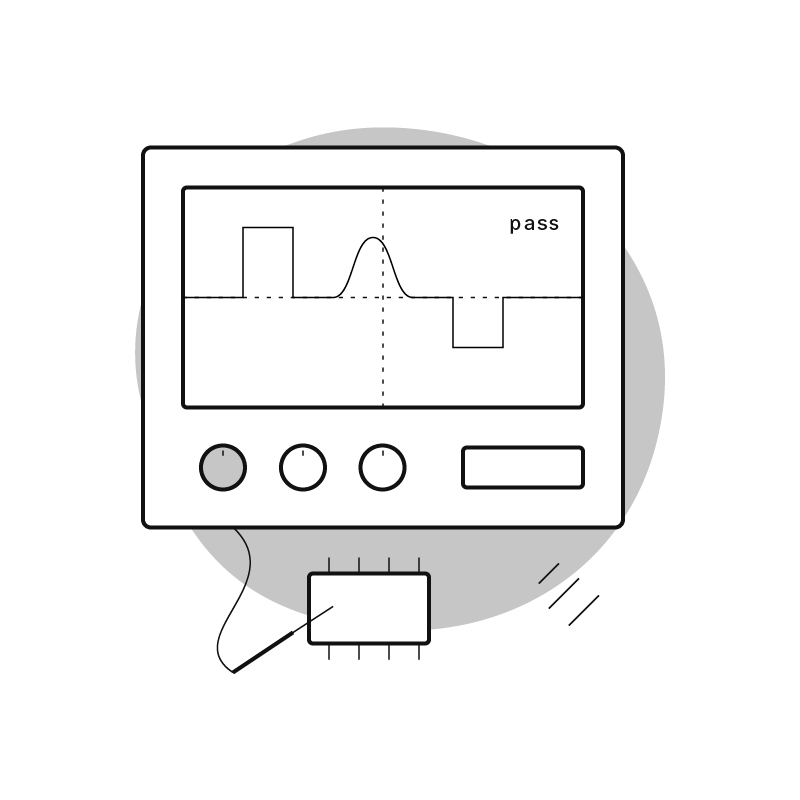
Testing
We test your device at every stage of development, from early feasibility through final validation. Each round of testing produces the objective evidence your design decisions and regulatory submission depend on.
Please fill out the form below and someone from our team will contact you shortly.

Overview
Testing is how you confirm that a device is practical, safe, meets its design requirements, and meets user needs. We help biomedical innovators plan and complete feasibility, biocompatibility, verification, and validation testing, using external testing laboratories when necessary. Testing starts informally during concept work and becomes fully documented as the design matures. The result is the objective evidence needed to support your regulatory submission and transfer to manufacturing.
What testing covers
Testing turns prototypes into evidence. Our work matches each test program to what your device needs to prove at that stage.
-
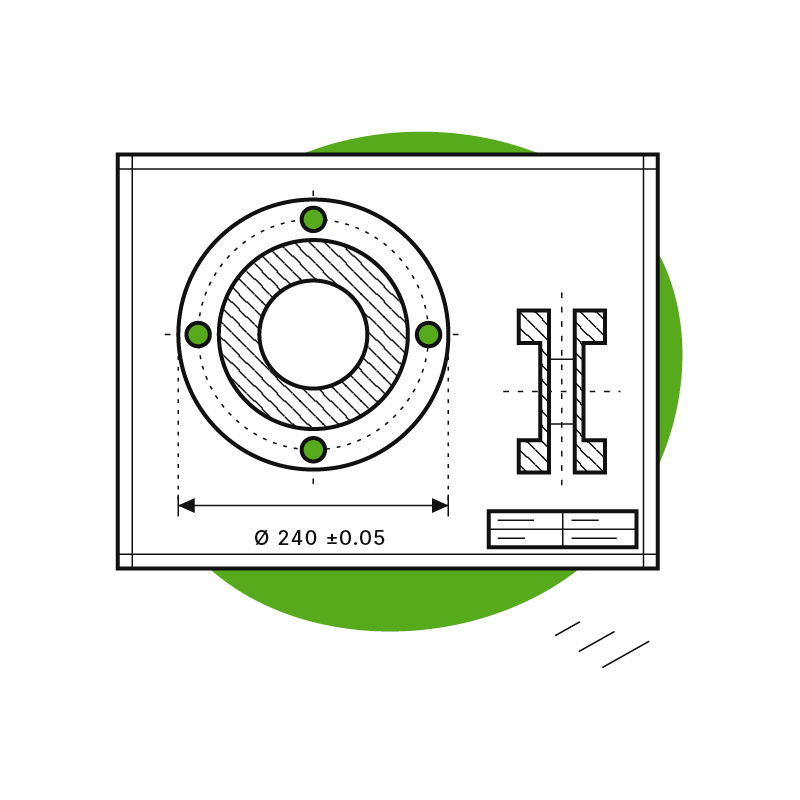
Feasibility Testing
Early testing of technical performance, manufacturability, and cost to confirm a concept is practical before advancing.
-
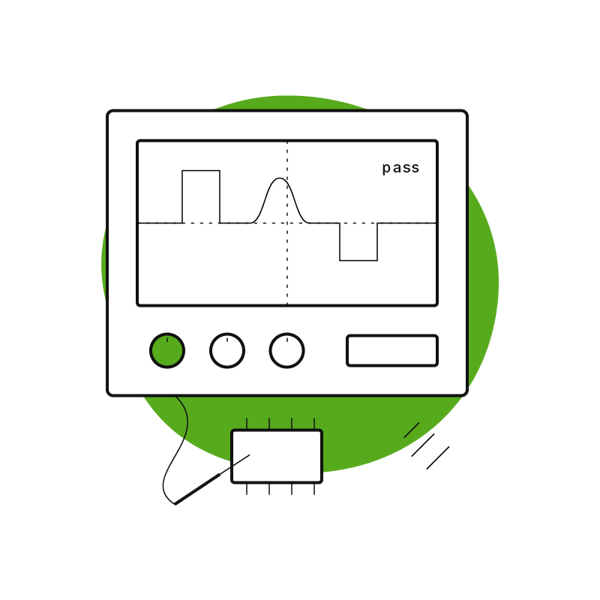
Biocompatibility
Testing that confirms the device interacts safely with the human body without adverse reactions such as toxicity or inflammation.
-
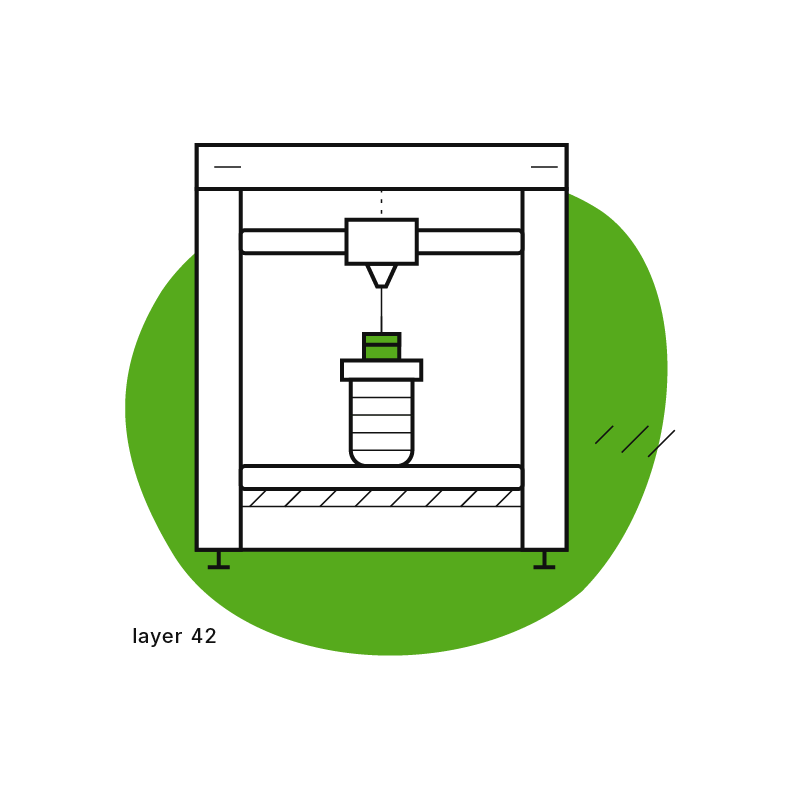
Verification Testing
Testing of verification prototypes against specified design requirements, using final protocols, including accelerated aging and environmental conditioning when needed.
-
Validation Testing
Testing of devices made with production processes to confirm they meet user needs, conducted with qualified clinical personnel under released protocols.
Where testing shows up
Testing should begin with feasibility work on early concepts and lead during verification and validation, when the device must prove it meets requirements and user needs.
PHASE 0
Concept Generation
Supports early feasibility assessment of leading concepts.
PHASE 1
Concept Development
Leads informal feasibility testing of alpha prototypes.
PHASE 2
Design & Development
Supports pre-verification testing and protocol development.
PHASE 3
Verification & Validation
Leads biocompatibility, verification, and validation testing.
PHASE 4
Design Transfer
Not involved.
The ROI on better testing
Testing gaps found late delay submissions and force redesigns. A planned testing program builds the evidence your device needs, in the order you need it.
Superior Quality
Devices proven safe, effective, and reliable through objective evidence.
Lower Development Costs
Problems found in early testing, before they become expensive.
Faster Time to Market
Protocols and evidence ready when your submission is.
Protectable IP
Test data that documents how your innovation performs.
Explore our disciplines
Every program draws on a different combination of our core disciplines that together provide the rigorous development your device demands.
-
Testing
Confirm performance with biocompatibility, feasibility, verification, and validation testing.
-
Material Sourcing
Source and manage equipment, tooling, components, and third-party services.
-
Ideation
Explore the clinical need, select the strongest concepts, and protect the IP created along the way.
-
Design
Create safe, effective devices that integrate user needs, ergonomics, and aesthetics.
-
Engineering
Mechanical, electrical, systems, software, and process engineering for complex devices.
-
Prototyping
Build and test prototypes from early feasibility through verification and validation.
-
Quality & Regulatory
Maintain design controls, risk management, and regulatory compliance throughout development.