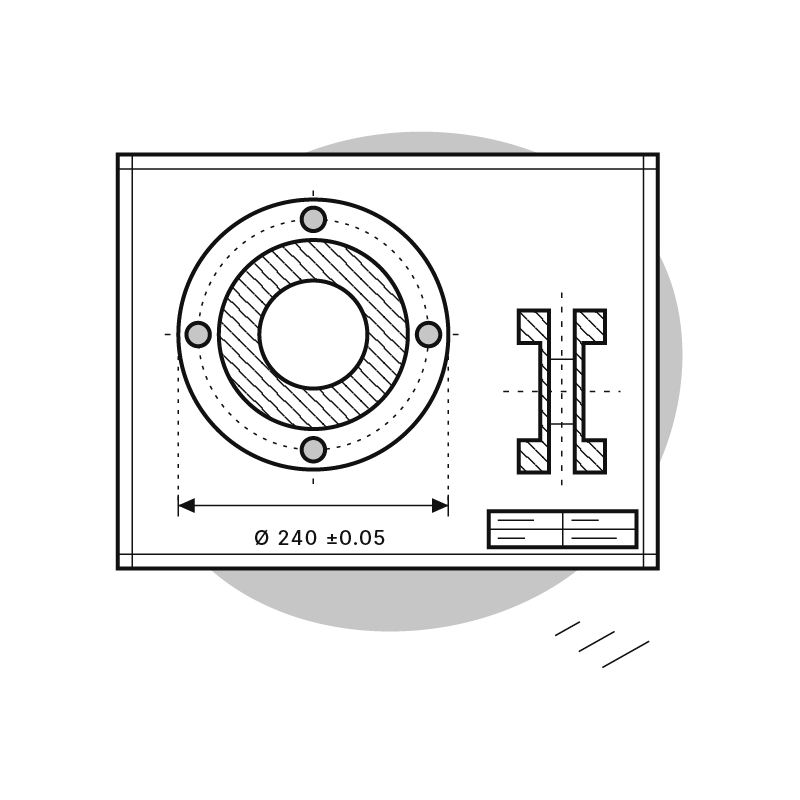
Design
We develop practical, human-centered device designs. We conduct human factors studies to drive requirements for ergonomics, aesthetics, and user experience, and we align design iterations with the product’s commercial strategy.
Please fill out the form below and someone from our team will contact you shortly.

Overview
Design is where a selected concept becomes a device people can use safely and effectively. We help biomedical innovators understand how clinicians and patients interact with the device, translate those insights into requirements, and develop designs that balance user needs, ergonomics, aesthetics, and function. The result is a device design that holds up in human factors testing and supports a successful regulatory submission.
What design covers
Design turns user needs into a device that performs in real-world use. Our work helps you define how the device should look, feel, and function, and confirm that it does.
-
Human Factors
Usability tests, formative and summative studies, and focus groups that show how users interact with the device, conducted with external partners when needed.
-
Industrial Design
Safe, effective device designs that integrate user needs, ergonomics, aesthetics, and function, refined through several iterations before reduction to practice.
Where design shows up
Design should lead once a concept is selected, carrying user needs into formal development. Human factors work continues through validation to confirm the device meets those needs.
PHASE 0
Concept Generation
Supports early sketches and form exploration.
PHASE 1
Concept Development
Supports ergonomics and usability feedback on alpha prototypes.
PHASE 2
Design & Development
Leads industrial design and formative human factors studies.
PHASE 3
Verification & Validation
Supports summative human factors testing and labeling usability.
PHASE 4
Design Transfer
Not involved.
The ROI on better design
Design decisions determine how safely and effectively your device is used. A design grounded in human factors reduces use-related risk, avoids late-stage changes, and supports adoption.
Superior Quality
Devices that are safe, effective, and intuitive to use.
Lower Development Costs
Usability issues resolved before they require costly redesigns.
Faster Time to Market
Human factors evidence ready to support your regulatory submission.
Protectable IP
Distinctive design features worth protecting.
Explore our disciplines
Every program draws on a different combination of our core disciplines that together provide the rigorous development your device demands.
-
Engineering
Mechanical, electrical, systems, software, and process engineering for complex devices.
-
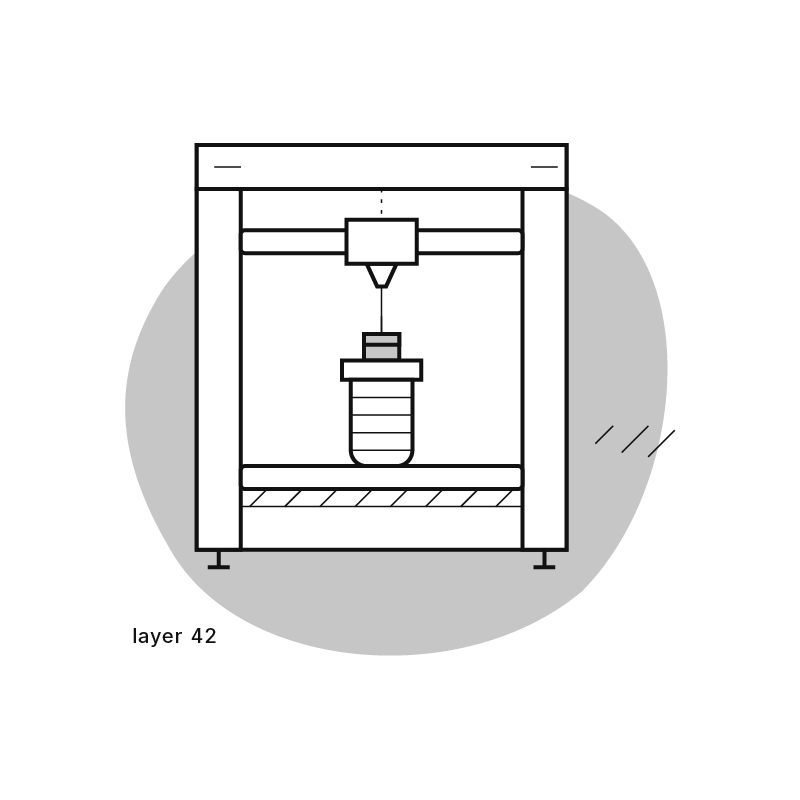
Prototyping
Build and test prototypes from early feasibility through verification and validation.
-
Quality & Regulatory
Maintain design controls, risk management, and regulatory compliance throughout development.
-
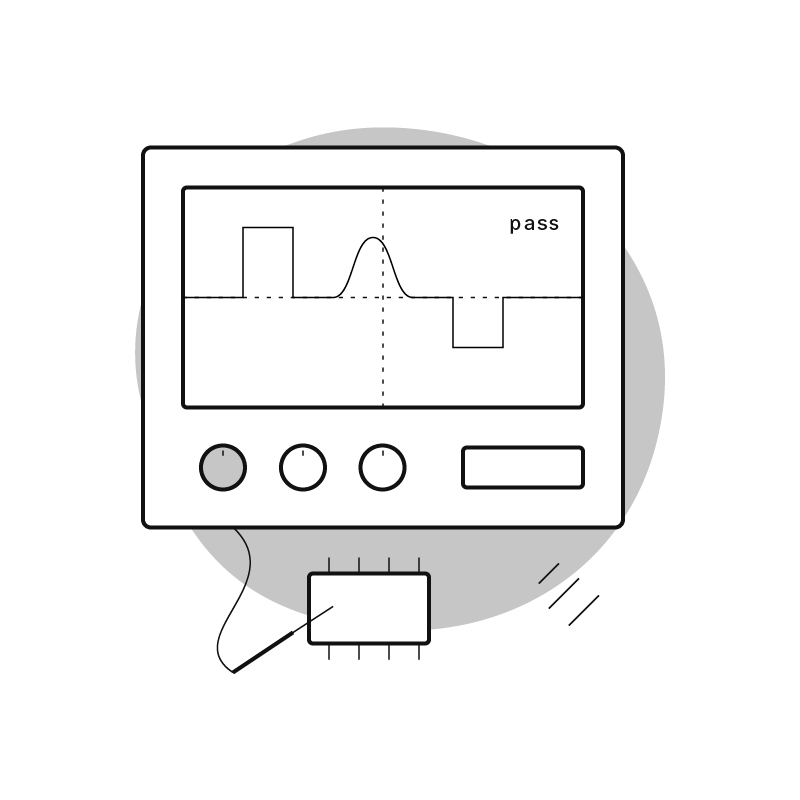
Testing
Confirm performance with biocompatibility, feasibility, verification, and validation testing.
-
Material Sourcing
Source and manage equipment, tooling, components, and third-party services.
-
Ideation
Explore the clinical need, select the strongest concepts, and protect the IP created along the way.
-
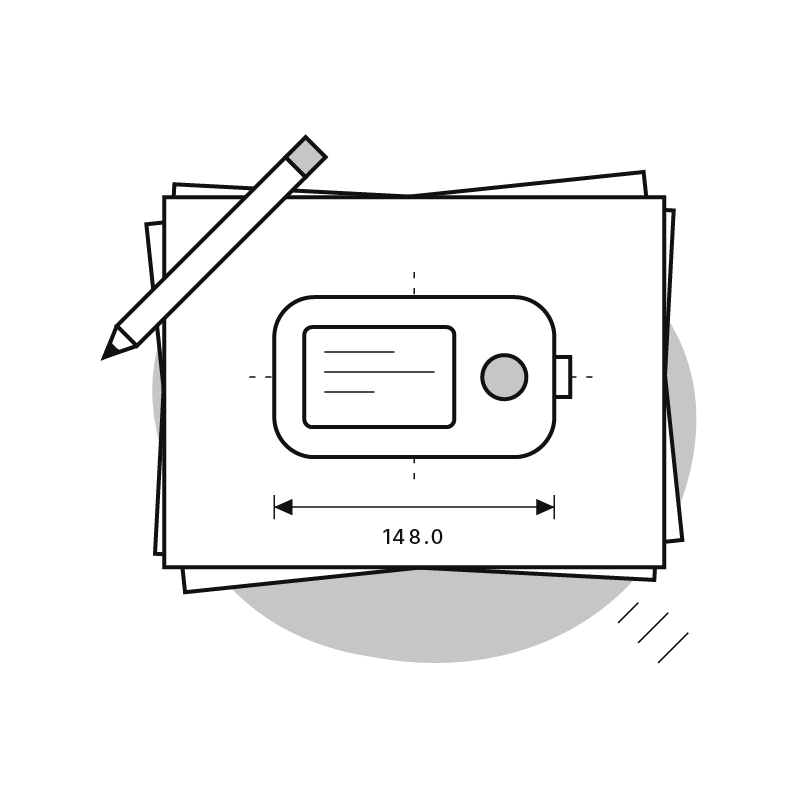
Design
Create safe, effective devices that integrate user needs, ergonomics, and aesthetics.